
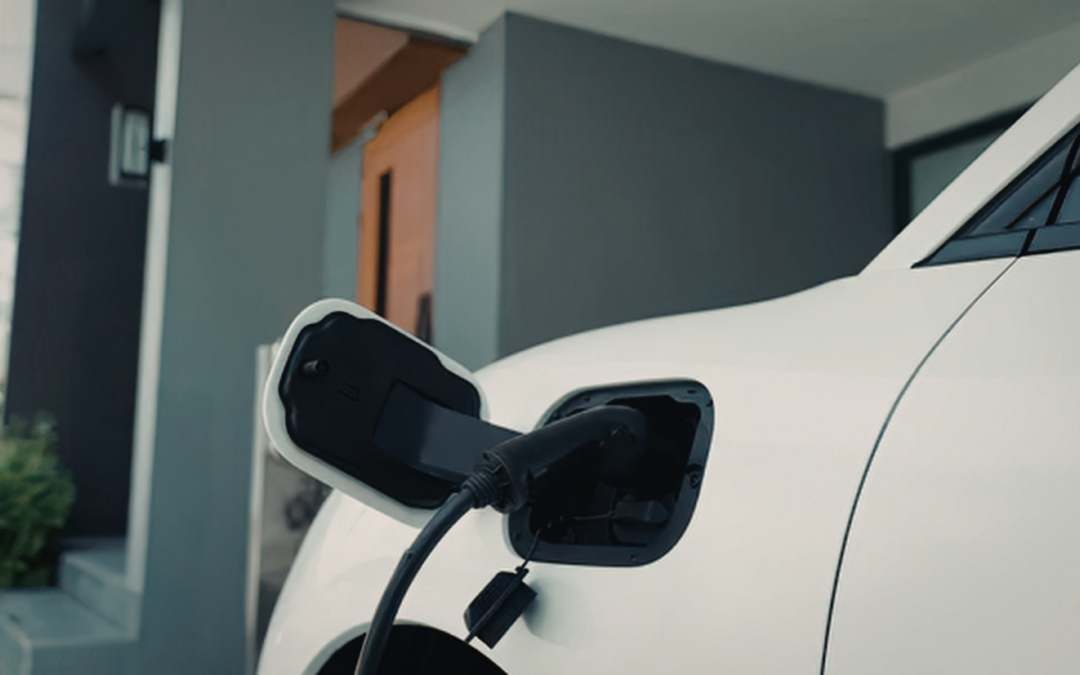
Buying an electric vehicle in 2026 can mean real savings of more than 7,000 euros if the aids of the Auto+ Plan and the current tax incentives are combined correctly. But the benefit varies greatly depending on who makes the purchase and for what purpose. We'll explain everything you need to know.
What incentives exist to buy an electric car in 2026?
The framework for supporting electric mobility in Spain combines two approaches: direct aid through the Auto+ Plan and the tax incentives in Personal Income Tax or Corporate Income Tax. Both are compatible with each other, although they are not applied equally to everyone.
Auto+ Plan: direct state aid
The Auto+ program is the new aid system of the Ministry of Industry and Tourism for the purchase of electric vehicles in 2026, replacing the MOVES plans of previous years, with an allocation of 400 million euros.
Purchases made from January 1, 2026 onwards are retroactive, meaning that if you have already purchased your vehicle this year, you will be able to apply for the aid when the application portal opens.
How much can I receive?
The maximum amounts according to the type of vehicle and buyer are:
Electric passenger cars (category M1, up to 9 seats):
- Private individuals: up to 4.500 €
- Self-employed and SMEs: up to 6.000 €
- Maximum vehicle price: €45,000 excluding VAT
Vans and light trucks (category N1, up to 3.5 t):
- Private individuals: up to 5.000 €
- Self-employed and SMEs: up to 7.500 €
In addition, points of sale are required to offer a minimum additional discount of €1,000 on the sale price.
Which vehicles are eligible?
To be eligible, vehicles must meet two minimum requirements: they must have a ZERO emissions label and they must not exceed the established price limits. This includes battery electric vehicles (BEVs), plug-in hybrid electric vehicles (PHEVs), range-extended electric vehicles (REEVs), and fuel cell electric vehicles (FCEVs).
How exactly is the aid calculated?
The amount is not a fixed figure, but is calculated using a three-factor formula called the EEE criterion: Electric, Economic, and European. Pure electric vehicles receive 50% of the maximum aid, while plug-in hybrids receive 25%. The vehicle's price and place of manufacture also influence the final amount.
Personal Income Tax Deduction: The Tax Incentive for Individuals
Individuals who purchase an electric vehicle New for private use can apply a deduction of 15% of the acquisition value in your Income Tax return.
The key points are:
- Maximum deduction base: 20,000 euros, with a maximum tax saving of 3,000 euros.
- The public aid received (Plan Auto+) is deducted from the base before calculating the deduction.
- The vehicle must be new and cannot be used for any economic activity.
- Payment must be made by card, bank transfer or check; cash is not accepted.
- This deduction will be applied in the 2026 Income Tax return, which will be filed from spring 2027 onwards.
Practical example: An electric passenger car costing €35,000, with €4,500 in Auto+ assistance and a €1,000 dealer discount, has a net cost of €29,500. The 15% deduction is applied to the €20,000 limit, resulting in an additional €3,000 in tax savings.
Freedom of depreciation: the tax advantage for companies and the self-employed
When the vehicle is acquired for business or professional purposes, the 15% deduction does not apply. Instead, the main incentive is the amortization freedom, available for purchases made in 2024, 2025 and 2026.
This method allows for accelerated tax deductions of the vehicle's cost, without having to wait for the regular depreciation installments spread over several years. The effect is an early reduction in taxable income in the initial years, resulting in significant cash flow savings.
The types of vehicles that can be included are the same as for the Auto+ Plan: BEV, PHEV, REEV and FCV. Important: This benefit only applies to new vehicles; used vehicles are excluded.
Self-employed: attention to the degree of impact
For the self-employed, the key is demonstrating the extent to which the vehicle is used for business purposes. As a general rule, regulations presume business use of 50% for passenger cars, unless a higher percentage can be proven. Certain specific sectors (taxis, driving schools, rental companies) can deduct up to 100% of the VAT paid.
Other tax benefits to consider
Beyond the deductions in personal income tax and corporate income tax, electric vehicles enjoy other advantages:
- Exemption from registration tax due to its reduced emissions.
- IVTM Bonuses (road tax) in numerous municipalities.
- Possible additional incentives at the level regional and local.
What happens to the subsidy in the tax return?
The subsidies offered by the Auto+ Plan are not tax-neutral. Generally, they are treated as capital gains for personal income tax purposes, and in the case of business activities or corporate income tax, they constitute taxable income. This is an important factor to consider when calculating the actual savings from the transaction.
How much can a buyer save?
Adding up all the available incentives, the savings can be very significant:
|
Profile |
Potential savings |
|
Particular |
Up to €4,500 (Auto+) + €1,000 (dealer discount) + €3,000 (income tax) = up to €8,500 |
|
Self-employed / SME |
Up to €6,000 (Auto+) + €1,000 (discount) + amortization freedom |
|
Company |
Up to €6,000 (Auto+) + accelerated amortization freedom |
Every case is different: consult us before deciding
The combination of direct subsidies, tax deductions, and other tax benefits means that actual savings depend on many factors: who is buying, for what purpose, what type of vehicle, and how it is financed. Proper planning can make a significant difference.
At our consultancy in Cieza, we analyze your specific situation so that you can make the most of all available incentives before finalizing the purchase.
Contact us for a free consultation.
 English
  Spanish