
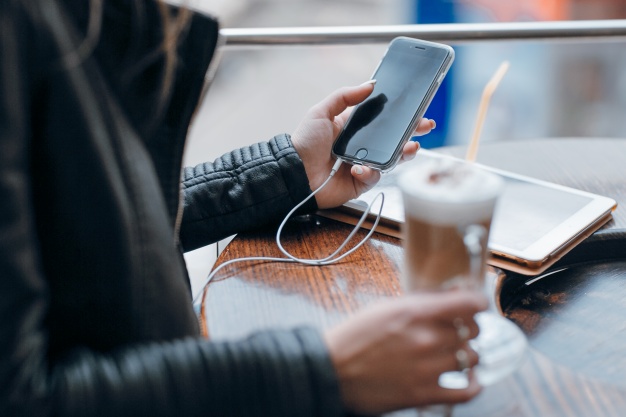
This is the first summer in which the law that regulates workers' right to digital disconnection will be in force.
Digital disconnection is a concept that you have surely heard about recently. Now that we are on vacation, it is worth remembering given that 2019 is going to be the first summer in which this right is in force in Spain, since the Organic Law came into force. 3/2018 on the protection of Personal Data and guarantee of digital rights (LOPDGDD) last December.
What is the right to digital disconnection?
The right to digital disconnection is the right of workers not to connect to any professional electronic device during vacation and rest periods. It specifically refers to smartphones, tablets or laptops provided by the company to workers as well as professional email accounts.
Article 88 of this Law specifically establishes “Workers and public employees will have the right to digital disconnection in order to guarantee, outside of legal or conventionally established work time, respect for their rest time, permits and vacations, as well as as well as their personal and family privacy.”
Within the scope of the right to digital disconnection, vacations, days of personal affairs, days of maternity or paternity leave, etc. are included. But not only that, this right extends from the moment the worker ends his working day until the next one begins. For example, if a worker ends his workday at 6:30 p.m. and starts at 9:00 a.m., the worker has the right to disconnect all his professional electronic devices during all these hours.
Objective of the right to digital disconnection of workers
The objective of the right to digital disconnection is to put an end to the abusive business practice of keeping workers glued to their cell phones or email accounts after the end of their work day. These hours are not paid nor are they considered overtime for salary purposes, and they also violate the worker's right to rest.
Obligations for companies derived from the right to digital disconnection
The LOPDGDD provides that the employer must develop, together with the workers' representatives, an internal policy aimed at workers, including those who occupy management positions, which defines:
1.-The modalities of exercising the right to disconnection.
2.-Training and awareness-raising actions for staff on reasonable use of technological tools that avoid the risk of computer fatigue.
These training actions can offer common, individual and homogeneous solutions and behavioral guidelines for work connectivity.
The right to digital disconnection will be preserved particularly in cases where remote work is carried out in whole or in part, as well as at the employee's home linked to the use of technological tools for work purposes.
Collective negotiation
The law does not provide explicit elements that can guide collective bargaining, therefore, the margin of freedom regarding the modalities of exercising the right to disconnection is wide.
The Law does regulate that there must be a prior hearing with the personnel delegates or the works committee.
Fines for not respecting workers' right to digital disconnection
The majority of companies have not yet developed this disconnection policy. The numerous changes that have occurred in labor legislation, such as the obligation to record daily working hours and the approval of a la carte working hours, have caused companies to have not paid sufficient attention to this obligation. And this can lead to sanctions.
The LOPDGDD does not regulate the sanctions to be imposed for a violation of the right to disconnection, but it may involve a serious violation regulated in article 7.5 of the Law on violations and sanctions in the social order “The transgression of the rules and legal limits or agreed upon regarding working hours, night work, overtime, additional hours, breaks, vacations, permits, registration of working hours and, in general, working time” and entail sanctions at their minimum, from 626 to 1,250 euros, in their medium grade from 1,251 to 3,125 euros; and at its maximum level from 3,126 to 6,250 euros.
These sanctions could be increased if it is understood that we are entering into the field of psychosocial risks for workers such as stress, depression, anxiety or worker burnout. The company could be responsible for the worker's illness if, for example, the worker receives a barrage of calls or emails outside of their working hours and is also urged to respond to them.
On the other hand, a weighing of the facts will be necessary to fine the companies. Everything indicates that a single message will not be enough, but it will be the judges who will indicate whether or not the limit was exceeded on a case-by-case basis.
Benefits of digital disconnection for the worker
Being available at all hours is detrimental to the worker, the right to digital connection brings benefits such as
- The worker disconnects from work.
- Reduces tension and stress.
- Improves family conciliation.
- Increases worker motivation.
Benefits of digital disconnection for the company
The right of workers to digital connection brings benefits for the company such as:
- Improves productivity.
- Increases the capacity for dialogue between worker and employer.
- Increases the quality of work by having rested and less stressed workers.
- Reduces work absenteeism.
- It transmits a brand image that looks after its employees.
- Improve employer branding.
 English
  Spanish